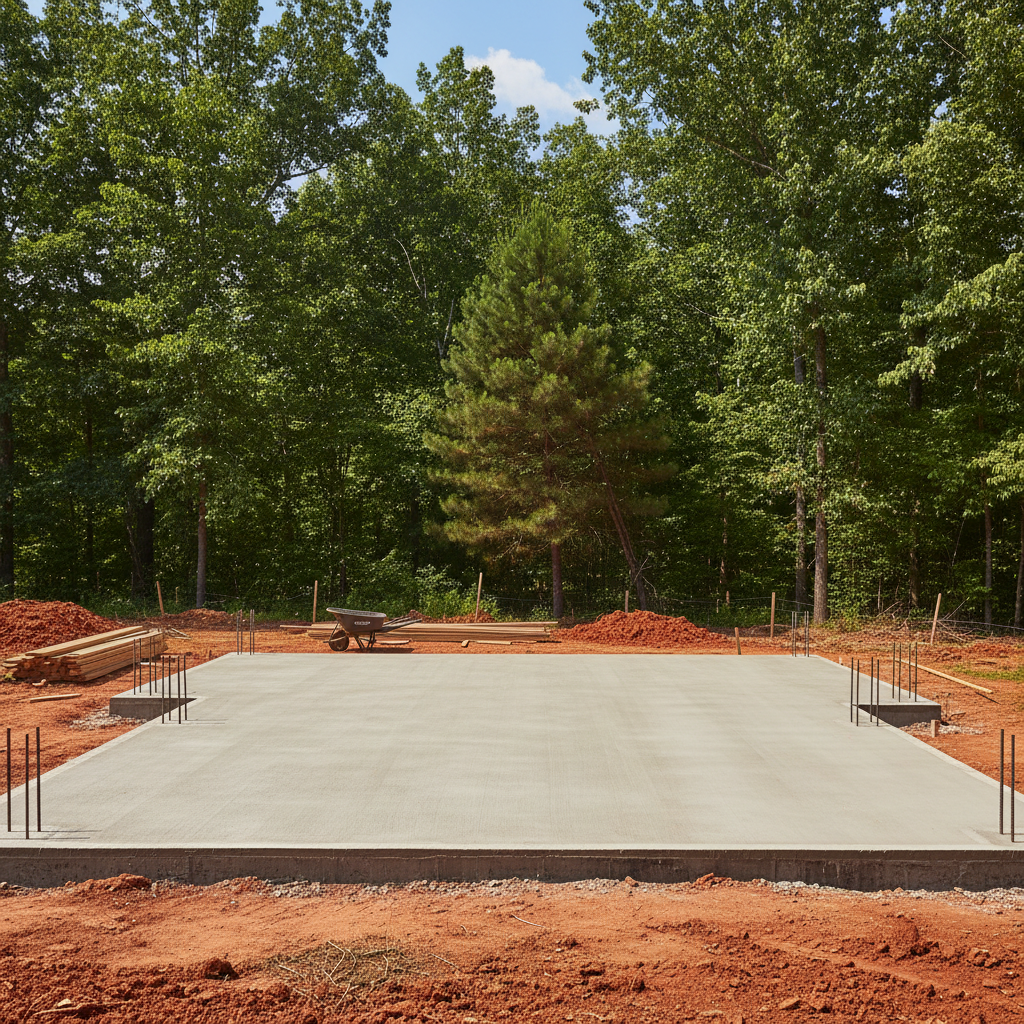
Alright, let's just get to it. You've got concrete around your Decatur place — maybe it's your foundation, that long driveway, or a nice patio. You know it's a big investment, right? And naturally, you want it to last. But here in North Alabama, our weather can really throw some curveballs. It can mess with concrete if you're not smart about how you handle it. I'm talking about those scorching summers, our damp, chilly winters, and even the local clay soils we deal with.
As a local contractor with Midway Concrete Solutions, I've seen pretty much everything. From cracked driveways over in Point Mallard to settling patios in Old Decatur, a lot of these problems pop up because folks don't quite get how our seasons affect concrete. So, let's talk about when to get work scheduled, what weather really counts, and how you can protect your concrete all year long.
When to Schedule Your Concrete Work in Decatur
Timing is absolutely everything with concrete. It's not just about getting the job done; it's about making sure it's done right so it holds up. Concrete cures through a chemical reaction, and that reaction is super sensitive to temperature and moisture, believe it or not.
- Spring (April-May): This time of year is often just perfect. Temperatures are usually mild, hanging around 50°F to 75°F, which is ideal for concrete to set and cure properly. The ground has also finally thawed out from winter, making any digging much easier. The only real snag can be those unpredictable spring rains, which might delay things a bit. You definitely don't want fresh concrete getting washed out.
- Fall (September-October): Honestly, if you ask me, fall is often the absolute best time. You get those consistently nice temperatures, usually still between 50°F and 75°F, and often it's less humid than summer. The cooler nights actually help slow down the curing process just enough, which leads to stronger, more durable concrete. Plus, you get it finished before the real winter chill sets in — a definite bonus.
- Summer (June-August): Now, this is where things get a little tricky. Decatur summers are hot and muggy, with temperatures regularly hitting the 90s. High heat makes concrete set super fast. That sounds good, but it can actually cause problems like shrinkage cracks and a weaker finish if we're not incredibly careful. The water in the mix evaporates too quickly, and you can lose strength that way. If we *do* pour in summer, we take extra precautions: pouring early in the morning or late in the evening, using chilled water in the mix, and applying special curing compounds to slow down moisture loss.
- Winter (November-March): Pouring concrete in winter is certainly possible, but it's a lot more challenging and demands specific cold-weather techniques. If the temperature drops below freezing while the concrete is still fresh, the water inside it can freeze and expand, causing significant damage like cracks and spalling. The curing process also slows way down in cold weather, sometimes to a crawl. We'd have to use things like heated forms or insulating blankets to protect the concrete from freezing. It's usually best to steer clear of it unless it's absolutely necessary, you know?
Weather Conditions That Really Matter for Concrete
It's not just the season, but the day-to-day weather that truly makes a difference. Here's what we're always keeping an eye on:
- Temperature: Like I said, 50°F to 70°F is the sweet spot. Too hot, and it dries too fast, leading to cracks and reduced strength. Too cold, and it cures too slowly, risking freeze damage.
- Humidity: Our high humidity in Decatur, especially in summer, can be a bit of a mixed bag. While some humidity helps keep the concrete from drying out too quickly, excessively high humidity can actually slow down the curing process quite a bit. It can also lead to issues like